Transform Your Home with Ann Arbor top home remodeling contractor
Transform Your Home with Ann Arbor top home remodeling contractor
Blog Article
Home Improvement: Remake Your Space Into Your Desired Home
Home remodeling offers a straightforward method to improving both function and visual appeal in residential areas. It enables homeowners to customize their spaces and potentially increase property value. However, attaining the desired results demands careful planning and commitment to a budget. Comprehending design styles and choosing the right contractors are essential steps in this process. As homeowners start this journey, they must consider what they truly wish to achieve. The path ahead contains several significant factors to explore.
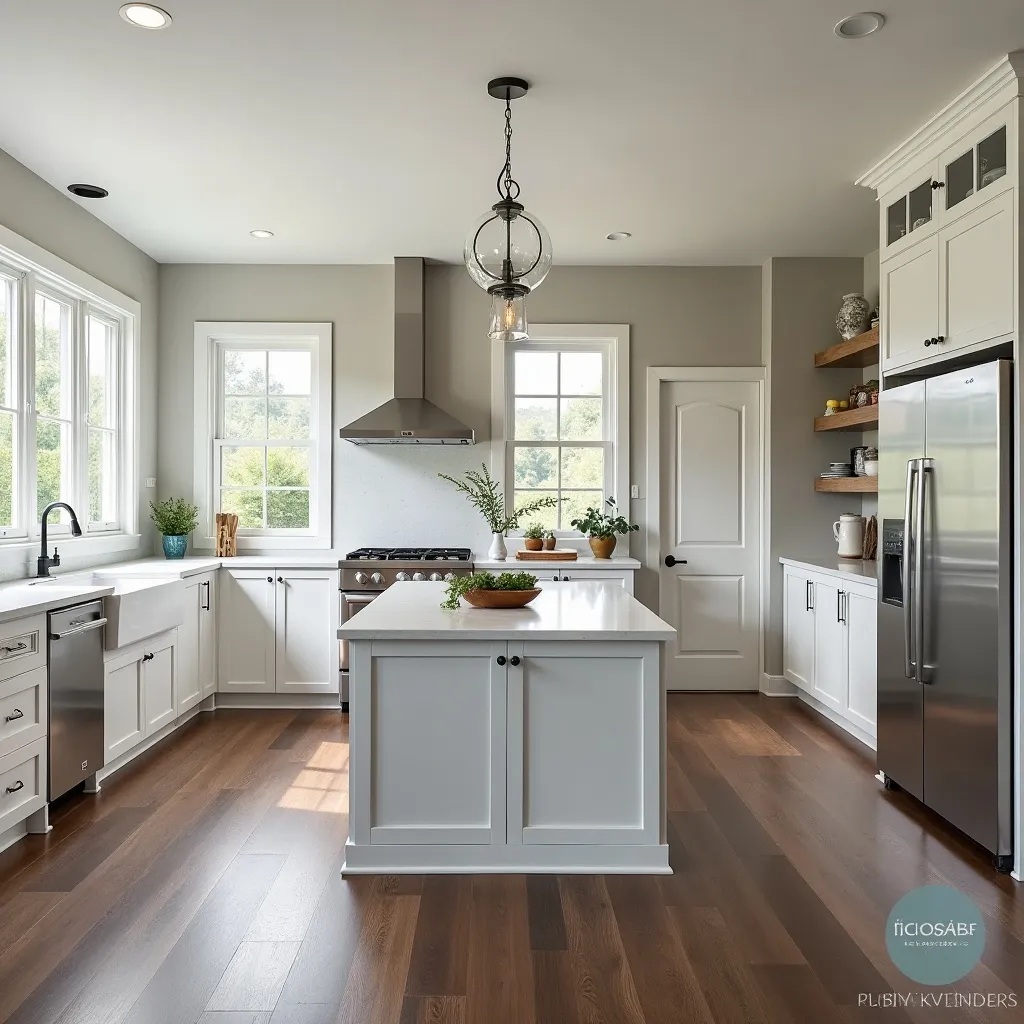
What Do You Want to Achieve With Your Home Renovation?
What goals does one have in mind when undertaking a home renovation project? Individuals often aim to boost capability, improve aesthetics, or increase property value. Some may desire a more open layout to promote social interactions, while others aim to create a tranquil retreat within their home. Specific objectives can include modernizing outdated spaces, incorporating energy-efficient elements, or extending living areas to accommodate growing families.
In addition, a homeowner might choose to customize their setting to reflect their individual style and wants, creating it a true representation of themselves. Protection and accessibility can also represent significant factors, chiefly for those with aging family members or limitations. In the end, the aspirations of a remodeling endeavor establish the underpinning for making decisions, guiding determinations in aesthetic, materials, and complete performance. Understanding these aspirations is vital for achieving a meaningful transformation that satisfies both practical requirements and personal desires.
Methods to Planning Finances for Your Home Remodeling Project
Budgeting for a home renovation project demands meticulous planning and consideration. It is essential to determine an comprehensive budget, rank essential upgrades, and account for unexpected costs that may arise. By tackling the budgeting procedure systematically, homeowners can accomplish their goals without monetary strain.
Figure Out Your Entire Budget
Before starting a home renovation project, it is crucial to establish an overall budget that matches both budget limitations and renovation goals. Property owners should begin by assessing their finances to understand how much they can practically allocate for the project. This encompasses assessing savings, income, and potential financing options. It is also prudent to factor in unexpected expenses, typically 10-20% of the total budget, to cover unforeseen issues that may arise during remodeling. Additionally, homeowners should investigate the costs associated with various materials and labor in their area, enabling informed decisions. By establishing a clear important resource budget, property owners can maintain focus on their renovation goals and avoid the stress of overspending.
Focus on Important Upgrades
Once the financial plan is firmly determined, homeowners can begin identifying which enhancements offer the greatest return and functionality for their home. Prioritizing critical upgrades involves assessing areas that require immediate attention, such as outdated plumbing or electrical systems, which can present safety risks. Kitchen and bathroom renovations typically yield high returns on investment; consequently, allocating funds toward modernizing these areas is often wise. Furthermore, boosting energy efficiency via windows, insulation, or appliances helps cut long-term costs. Homeowners must also take into account lifestyle needs, including designing open spaces for family gatherings or specific work areas. By strategically selecting upgrades that align with both immediate needs and future plans, homeowners can maximize their remodeling impact while staying within budget.
Account For Unexpected Costs
Anticipating unexpected costs is crucial for property owners beginning a remodeling project. Financial plans can rapidly grow tight when unexpected problems arise, such as structural damage, outdated wiring, or hidden water damage. Professionals recommend setting aside an additional 10 to 20 % of the total budget to account for these contingency expenses. Property owners should also account for possible cost variations in supplies and workmanship. Researching area contractors and obtaining several quotes can offer a better understanding of anticipated costs. Additionally, keeping clear dialogue with contractors throughout the project helps identify and address issues promptly. By proactively accounting for these unforeseen expenses, homeowners can ensure that their renovation project remains on schedule, ultimately transforming their home without financial strain.
What Design Choices Complement Your Home Remodeling?
In the domain of home remodeling, design styles play an vital function in establishing the overall look. Homeowners can pick from a array of possibilities, like modern minimalist aesthetics, cozy rustic charm, and elegant traditional touches. Each style presents its own individual character, shaping both the atmosphere and practicality of the space.
Current Streamlined Visual Style
Streamlined design principles provide an invigorating strategy for residential redesign, marked by basic elegance and practical purpose. This design style emphasizes open spaces, clean lines, and a restrained range of hues, often presenting soft colors that promote a sense of calm. Décor and furniture are carefully selected, resulting in an organized setting that improves overall equilibrium. Natural substances, such as timber and stone, regularly play a significant role, adding warmth while sustaining a polished look. Illumination is carefully planned, frequently employing large windows to enhance sunlight. Within a modern streamlined home, every element fulfills a purpose, contributing to a unified aesthetic that exemplifies the homeowner's values of clarity and efficiency. This design invites peace, making it ideal for contemporary living.
Comfortable Rustic Charm
Embracing the spirit of coziness and ease, cozy rustic charm remains a popular choice for homeowners looking for a more welcoming atmosphere. This design style often includes natural materials, such as reclaimed wood, stone, and soft textiles, creating an natural feel. Earthy color palettes—consider warm browns, soft greens, and muted reds—boost the link to nature.
Key aspects include visible timber, substantial furnishings, and vintage accessories, which inspire a feeling of nostalgia. Fireplaces act as main attractions, gathering families in one place in a relaxed environment. Additionally, mixing contemporary conveniences with traditional touches gives functionality without losing charm. Overall, cozy rustic charm turns spaces into serene hideaways, making it an appealing option for those wishing to bring their homes with character and warmth.
Polished Conventional Accents
While many homeowners search for ease through rustic designs, others value beauty in the polished elegance of traditional styles. This design approach focuses on enduring elements such as intricate trims, classic furnishings, and bold color palettes. Traditional spaces often display symmetrical layouts and formal arrangements, creating a sense of order and elegance. Incorporating antique or classic pieces can enhance authenticity, while luxurious fabrics like silk and velvet add richness and texture. Architectural details, such as decorative ceilings and wainscoting, enhance an overall sense of grandeur. Homeowners embracing this style often favor comfortable, inviting spaces that express their heritage or personal history, making traditional design a timeless choice for those seeking to embody a sense of refinement in their remodeled homes.
Tips on Selecting the Ideal Professionals for Your Home Remodeling?
Picking the right service providers for house renovation can substantially affect the success of a project. Homeowners should start by exploring local contractors and checking their credentials, including licenses and protection. Reading online reviews and seeking referrals from relatives or peers can deliver valuable insights into a service provider's reputation.
Thereafter, it's necessary to interview several contenders to assess their communication skills and professional manner. Property owners should obtain detailed estimates and timelines to copyright clarity. A dependable builder should be eager to answer questions and supply a comprehensive understanding of the project scope.
Additionally, reviewing completed projects or portfolios can benefit homeowners assess a contractor's style and quality of work. Finally, faith and mutual understanding are important; a contractor's attitude and cooperation to team up can greatly influence the remodeling experience. By adopting these steps, homeowners can render sound decisions that align with their aspiration for their dream home.
What Are Essential Suggestions for a Successful Home Remodeling?
How can homeowners guarantee a positive home remodeling venture? Initially, establishing a well-defined vision is essential. Property owners should outline their objectives and preferences, ensuring all parties comprehend the desired outcome. Subsequently, setting a practical budget helps reduce unforeseen expenses. It's essential to include a contingency fund for unexpected complications.
Clear communication with construction professionals is essential; homeowners must articulate their needs and expectations clearly. Regular communications and on-site inspections can improve this process. Additionally, studying materials and trends will enable homeowners to make knowledgeable decisions, balancing visual appeal and functionality.
In conclusion, acquiring necessary permits confirms compliance with local laws, steering clear of future complications. By following these suggestions, homeowners can navigate the challenges of remodeling, ultimately transforming their space into a dream home.
Methods for Keep Your Recently Renovated Home in Great Condition?
Once committing effort and capital into a home remodel, homeowners must prioritize ongoing maintenance to keep their newly transformed space. Regular cleaning is imperative; using fitting cleaners for assorted materials will avert damage and wear. For instance, hardwood floors necessitate particular products that shield the finish, while countertops may require specialized care to bypass stains.
Moreover, homeowners should carry out routine seasonal assessments to address any issues early. This involves checking for leaks, caring for HVAC systems, and ensuring outdoor drainage is functioning correctly. Consistent maintenance of appliances and fixtures will also extend their lifespan.
Furthermore, it is advisable to create a maintenance schedule, listing tasks such as applying a fresh coat of paint or sealing again surfaces when necessary. By putting in effort into these practices, homeowners can preserve the look and functionality of their remodeled spaces, in the end increasing their property’s value and comfort for years to come.
Frequently Asked Questions
How long Does a Typical Home Remodeling Project Take?
A regular home renovation task can last anywhere from a few weeks to several months, determined by the scope, difficulty, and size of the remodeling. Each project changes according to individual requirements and unforeseen challenges.
Which Licenses Do You Require for Home Renovation?
Generally, permits needed for house renovation consist of building, electrical, plumbing, and mechanical permits. Local regulations may change, so it's vital for homeowners to consult with their municipality to verify conformity with all required standards and guidelines.
What Methods Can Help Me to Minimize Disruptions Throughout Remodeling Work?
To lessen disruptions during remodeling, one can build clear communication with contractors, set defined time blocks, choose a separate living area, and preserve a tidy workspace. Preparing in advance helps secure a smoother remodeling process.
What Frequent Pitfalls Should You Avoid During Renovation Projects?
Essential errors to eliminate during home renovation comprise miscalculating financial plans, overlooking permits, cutting corners on adequate planning, opting for the unsuitable selections, disregarding project deadlines, and neglecting to maintain open communication with project professionals, which can produce expensive setbacks and poor outcomes.
What's the Ideal Method to Deal With Sudden Costs While Renovating?
To address unforeseen expenses during renovation, one should establish a emergency budget, communicate freely with builders, focus on necessary upgrades, and remain flexible in decision-making. This method helps manage finances and reduces anxiety throughout the process.
Report this page